
The Story Behind RAD Advocates: Amy VanTine on Loving a Child Who Couldn't Receive It

Updated: Jul 23
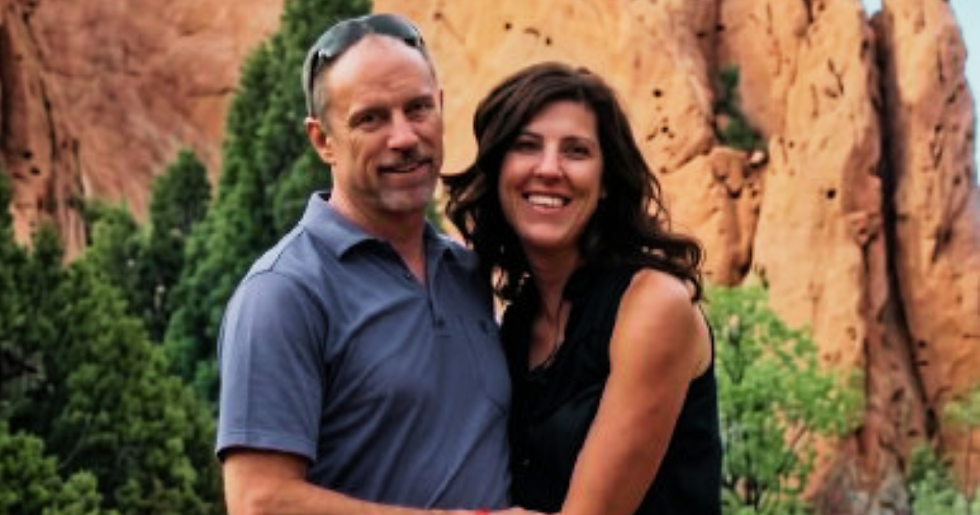
Our founder and executive director, Amy VanTine, recently sat down with adoption author Sherrie Eldridge on the "20 Things Adoption" podcast to share the story that led her to found RAD Advocates in 2017 — a story that will feel painfully familiar to many of the families we work with.
A Lifelong Calling Toward Children With Unique Needs
Amy grew up in Colorado Springs knowing she wanted to be a mother. That calling shaped every career choice that followed: working as an aide in a special education classroom in high school, then later as a residential treatment counselor for adults with developmental disabilities. Along the way, she became a stepmother to a daughter with spina bifida and an adoptive mother to a son with fetal alcohol spectrum disorder, ADHD, and a traumatic brain injury. Each experience taught her something about advocating for a child's needs within complicated systems — lessons she wouldn't fully understand the weight of until later.
Before becoming an adoptive mother to a child with reactive attachment disorder, Amy worked as a mentor to children in foster care, some of whom carried a RAD diagnosis in their case files. She never saw the behaviors those files described. At the time, she took that as a sign of her own skill as a mentor. It would take years of parenting to understand what she was actually seeing: a child protecting itself from anyone attempting real intimacy — and a mentor relationship never asked for that kind of closeness in the first place.
When Love Became the Trigger
Amy and her husband became foster parents to a 7-year-old girl, later adopting her. The early days looked, by every outward measure, like a success story. Within a week, the child was calling them Mom and Dad and drawing family portraits that included everyone. Amy read it as validation. Looking back, she recognizes it differently: attachment behaviors that formed fast, without the relationship underneath them to support it.
As the years went on, and as Amy pursued more connection, more therapy, more nurturing, her daughter's behavior grew more aggressive rather than less. The turning point came during a violent episode when Amy realized the truth of what she was watching: her daughter wasn't rejecting her love because she didn't want it. She was rejecting it because she didn't have a felt sense of safety with the person offering it, and Amy's attempts to comfort and connect were the trigger itself.
That reframe changed how Amy parented — but it didn't resolve the underlying crisis. Around the time her daughter was 11, she describes shifting to what she calls "transactional parenting": maintaining structure and house rules without the emotional closeness that had previously provoked escalation. Even that shift didn't stop the push-pull. Her daughter, Amy says, could see love and still not know how to receive it.
The Cost, and the Decision No Parent Wants to Make
Amy is candid about what those years did to her family. Her other children — the ones we sometimes call "glass children" — those who have witnessed violence in their own home and began isolating rather than voicing their own needs. Amy herself lived in a state of hypervigilance in the place that was supposed to be safest: she describes knowing exactly which stairs creaked so she could get a few quiet minutes to herself each morning without waking her daughter and triggering another episode.
Amy realized the truth of what she was watching: her daughter wasn't rejecting her love because she didn't want it. She was rejecting it because she didn't have a felt sense of safety with the person offering it, and Amy's attempts to comfort and connect were the trigger itself.
By the time her daughter was 11, the behaviors had escalated to the point of physical danger — including verbalized intent to harm Amy and stab marks left in her mattress. Amy's daughter was also unsafe from herself: she describes her climbing onto the roof of the house and harming her own body. Getting her daughter assessed for a higher level of care proved its own battle: professionals repeatedly saw a child who presented as fine, because that is often how this disorder responds to an unfamiliar evaluator.
At 13, after concluding she could no longer keep her daughter safe — from the risks she posed to herself, and from the danger the home had become for everyone in it — Amy made the decision to dissolve the adoption and return her daughter to the child welfare system that had placed her. She describes reporting her own home to child welfare multiple times before that outcome. Amy describes the decision as the point where she could no longer provide the safety her daughter, and the rest of her family, needed. Her daughter is now in her 20s. Amy has had no contact with her since.
Turning the Hardest Years Into RAD Advocates
Amy is direct about why she built RAD Advocates the way she did: parents in crisis need someone in their corner who already understands the terrain, before they are forced to learn it alone the way she was. Thankfully, she didn't have to build the organization alone though — RAD Advocates took root when Amy connected with other mothers in her own Colorado community who were facing the same struggles, and together they turned that shared understanding into an organization. Those same parent-led roots are still what carries the work forward today.

Amy's own story ended in dissolution, but that's not RAD Advocates' mission — it's simply where her family's road led. The organization exists to help keep every member of a family safe, and wherever it's safe and it's what parents want, the hope is to keep families together if possible. RAD Advocates works with adoptive, step-, and biological parents alike, meeting each family where it is and supporting whatever that family decides it needs — whether that's language to bring to a therapist, or help navigating a higher level of care, including the kind of documentation Amy wishes she'd had at the time.
The organization's flagship event, NavRAD, brings families together for three days, working through a workbook the RAD Advocates team developed to help them understand what reactive attachment disorder looks like and how to navigate it in their own home. RAD Advocates also offers tiered membership support depending on where a family is in their understanding of RAD or their parenting journey.
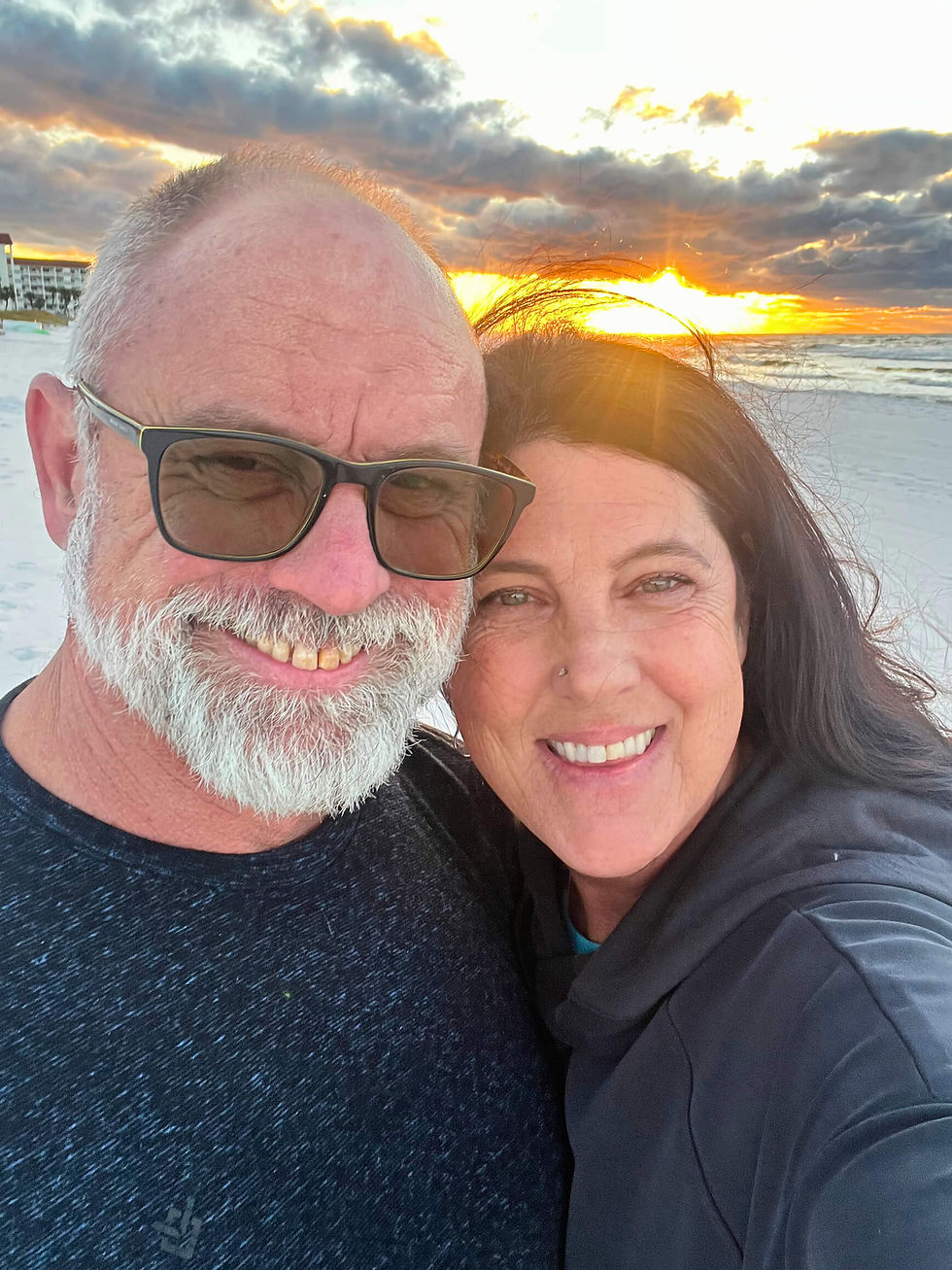
Long before any of this, Amy was the little girl who always knew she wanted to be a mother — and she is one, many times over. While her journey as an adoptive mom wasn't at all how she imagined, what she's built since, out of the hardest years of her life, is a place where no other parent has to face those decisions alone, wondering if they were the ones who were broken. In protecting them, she's still caring for children and families — just wider now, one family at a time, for as long as it takes.
You can listen to Amy's full conversation with Sherrie Eldridge on the "20 Things Adoption" podcast. If you're parenting a child with reactive attachment disorder and looking for support that understands what you're facing, learn more about RAD Advocates membership.
Feeling lost on the RAD parenting journey?
You’re not alone — and you don’t have to figure it out on your own. Connect with RAD Advocates to find real answers from those who’ve walked this path, no matter where you are along the journey.


Comments