
When the System Blames the Parents: A Foster Mom's Fight to Protect Her Family

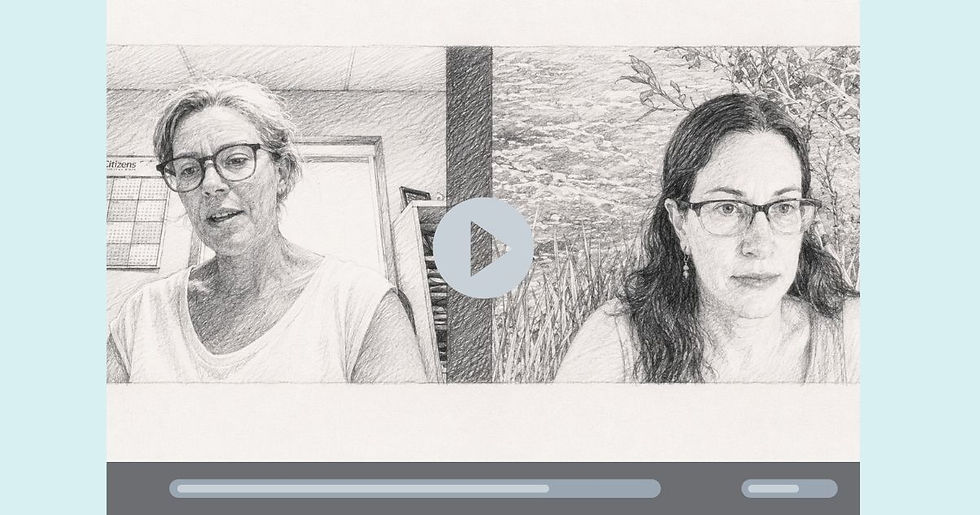
When Dawn and her husband saw a call for temporary foster parents in their area, they signed up. They were already biological parents to two children and felt they had the time and space to help another child.
"We signed up as emergency foster care parents, which means 90 days or less," Dawn says.
Soon, they were asked to temporarily foster a 4-year-old girl. "From 2018 to 2020, she came and went three times," Dawn continues. "The third time she came back, the social worker said, 'She can't go back to mom. Would you guys be willing to be a permanent placement?' We said, 'Of course' — we were the only other family she's ever known."
The girl belonged to a Native American tribe that didn't want to terminate parental rights. While this inhibited adoption, Dawn and her husband assumed permanent legal and physical custody instead.
"If we would have had a choice, we would have chosen adoption," Dawn shares. "Looking back at it, it was a blessing we couldn't adopt." This difference likely saved them thousands of dollars and protected them from legal charges.
Trouble Ahead: Undiagnosed Reactive Attachment Disorder
While they knew it wasn't going to be an easy road, they didn't know their new daughter would one day be diagnosed with reactive attachment disorder, which falls under the broader umbrella of developmental trauma disorders.
"When she was 4 through 9, it was just harder than our biological kids but manageable," Dawn shares. "We did the therapies; we did everything we could. And then it seems like once puberty hit, we couldn't figure anything out anymore, and now things were getting to dangerous levels. She was getting more violent. We never could leave her with animals, but now she was getting more sneaky about being around the animals. Then she ended up killing a harmless garter snake. And she wasn't afraid of snakes; she likes snakes, and she still killed it."
Twice they had to call the police for their daughter's physical attacks on Dawn. At first, it was hard to comprehend that a child can be an abuser. Even with bruises, Dawn would downplay her own suffering.
Their daughter would attack Dawn with whatever was in reach. One incident was triggered by a dinner she thought was too spicy. Even though Dawn offered to cook her anything else she would like, their daughter flew into a violent rage.
"I suspected reactive attachment disorder for a while, but she didn't get diagnosed until she went to her residential treatment at age 10," Dawn explains.
The System Wasn't Built for Reactive Attachment Disorder
Dawn works for the county, right down the hall from the department of family services. At first, she had full faith that they would help and support her family during their struggles.
"I don't think they understand what reactive attachment disorder is," she says. "When we met with them, after we tried to explain, they still didn't understand it. We were talking about crazy behaviors, and it just gets downplayed. It was more focused on what I did to cause such a big reaction. There was a complete denial that a child could act violently toward their family."
Nothing was done to protect Dawn, and she was forced to bring her violent daughter home time and again.
We did the therapies; we did everything we could. And then it seems like once puberty hit, we couldn't figure anything out anymore, and now things were getting to dangerous levels.
After their daughter completed a 110-day stay in residential treatment, they were told she'd reached her max number of days. She was also touching other girls inappropriately, and they needed to come and get her. "We knew there were no improvements there," Dawn shares. "It was exactly the same—maybe getting worse."
The county suggested the family move to an area with day care that would accept her, but they were unable to afford to move. "The county was offering these weird band-aids that we knew weren't going to help like, 'Why don't we try equine therapy?'" Dawn says.
The Toll on Our Foster Family
Their daughter was so jealous of their older daughter who was away at college that Dawn had to talk to her in private.
"My oldest daughter couldn't come home from college because she knew if she came home, there was going to be violence, and it was going to get taken out on me," she says. "Even to have my oldest daughter call would mean a rage. It was almost like I had to have a secret relationship with my oldest daughter. My younger son was a junior and then senior in high school. We missed out on his hockey matches because we knew it was going to be out in public, and it was going to be bad. I remember one time I was crying because I wanted to go, and our daughter was raging in the bedroom. My 17-year-old son had to console me when I should have been helping him."
At first, it was hard to comprehend that a child can be an abuser. Even with bruises, Dawn would downplay her own suffering.
Dawn realized they couldn't go on like this, and things were only getting worse.
"That's when we decided to reach out to RAD Advocates, and it saved our lives," she comments. "Suddenly, we didn't feel crazy. We weren't alone in this. Previously, everybody said it was something we could do differently. For the first time, we heard that we actually matter and our other kids matter, and let's protect them first."
RAD Advocates believes that no level of physical abuse to or from anyone in a family is acceptable, no matter their age or situation.
Legal Custody vs. Adoption: A Difficult Decision
Their advocate, RAD Advocates founder Amy VanTine, walked Dawn and her husband through how to document behaviors and how to navigate calling the police or talking to emergency room staff.
Dawn already knew their daughter needed a higher level of care than they could provide, and Amy also walked alongside the family during their difficult decision to relinquish custody.
"When we had to give custody back to the county, the social workers made me feel guilty," she explains. "The social worker wanted my husband and me to write a letter apologizing to our daughter for not understanding how to parent her."
Dawn wondered why the biological mother hadn't been asked to do this.
"There was no accountability," she says. They were made to feel as if they had failed, when it was the system that failed them. "I was pretty hurt by that because they knew our whole story," Dawn comments. "They knew what we went through, and yet I had to apologize to my abuser."
Nothing was done to protect Dawn, and she was forced to bring her violent daughter home time and again.
Because they had legal custody rather than an adoption decree, Dawn and her husband avoided the legal jeopardy that many adoptive parents face when relinquishing custody to get a child a higher level of care. Still, they were threatened with having to pay child support and had to get a lawyer and navigate the courts in order to complete the change in custody.
Looking Forward: What Foster and Custody Families Need
Dawn shares her story in hopes that there will be systemic changes.
"Social workers and therapists need to really understand reactive attachment disorder so they know when someone adopts or takes legal custody what their future looks like realistically," she says. "Next, we need real help for families like ours, including realistic respite care and school systems that provide what we need so we're not alone and blamed for everything."
If Dawn could wave a magic wand, everyone adopting or taking legal custody of a traumatized child would be assigned a RAD Advocate — someone who understands developmental trauma and its impacts on the entire family, someone who walks alongside parents rather than judging them, and someone who helps them navigate the huge challenges they face.
Facing hard decisions while parenting a child with developmental trauma?
Explore RAD Advocates membership for support that walks alongside you.


Comments